- U.S. sanctions Iranian crypto service Hormuz Safe
The U.S. Treasury, through OFAC, imposed sanctions on Iranian platform Hormuz Safe and its affiliated insurance company PGMIC. According to Washington, the service enabled maritime insurance payments in Bitcoin and other cryptocurrencies for vessels passing through the Strait of Hormuz. - Hackers steal nearly $89M from Coldcard wallet users
Galaxy Research analysts reported several waves of attacks targeting Coldcard hardware wallet users. In total, around 1,367 BTC was stolen from 4,585 addresses. The cause was linked to a seed phrase generation vulnerability in older firmware versions. - European Commission to launch €30B network of AI gigafactories
The EU announced a tender to create up to seven AI gigafactories. Brussels will provide up to €10 billion in public funding and expects to attract another €20 billion in private investment to develop Europe’s AI infrastructure. - Court denies xAI request to block law against AI “undressing”
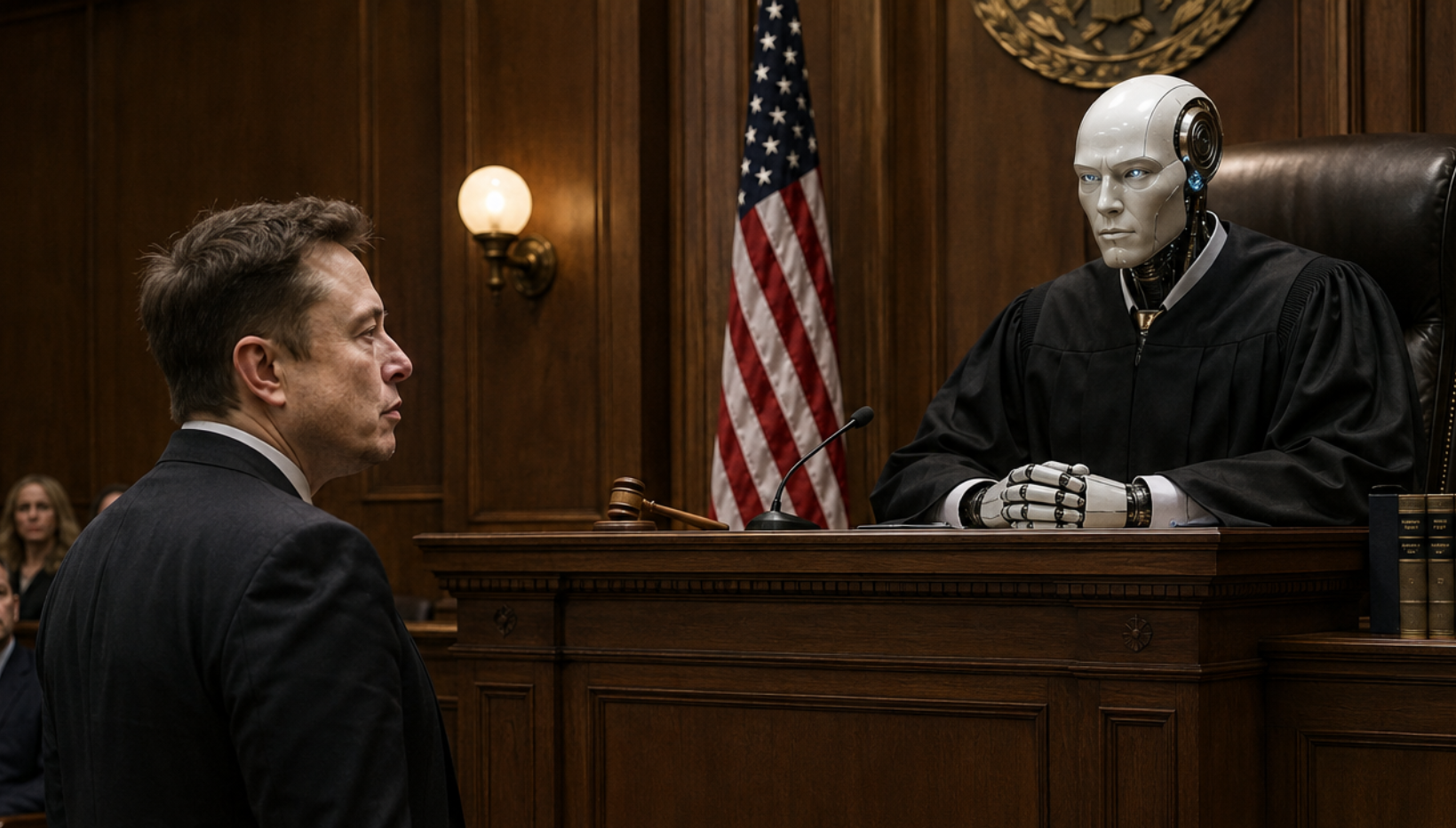
A U.S. federal court refused Elon Musk’s xAI a temporary block on a Minnesota law that bans services from generating or editing images to add nudity without a person’s consent. The company argues the law is too broad and cites the First Amendment. - Australia sues Telegram over terrorist content
The eSafety regulator accused Telegram of failing to remove posts containing videos of the Christchurch and Buffalo attacks after user complaints. If Telegram loses the case, it could face a fine of up to A$54.6 million. - OpenAI model solves ten open mathematical problems
An internal OpenAI model called Astra helped produce proofs for ten problems that had remained open since at least 2016. Some of the solutions were formalized in Lean, a language used for machine-checked theorem verification.
Crypto Digest by MINE.exchange (July 29 - August 4 2026)
Partners